Integrating Minimalist Handmade into Your Creative Workflow
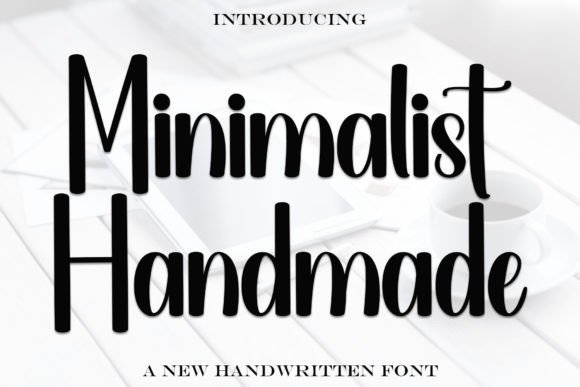
In the crowded landscape of digital design, authenticity has become a scarce and valuable commodity. As brands and creators strive to connect with audiences on a more human level, the sterile perfection of standard system fonts often falls short. This is where Minimalist Handmade enters the conversation. It is not merely a typeface; it is a design tool that bridges the gap between digital precision and organic expression. Described by an elegant touch, this neat and beautiful handwritten font offers a distinct, timeless style that can elevate your favorite projects from functional to spectacular.
However, adopting a new typographic asset is not just about installation. It requires a strategic approach to ensure it enhances rather than disrupts your existing workflows. Whether you are a marketer crafting social media assets, an educator designing course materials, or an entrepreneur building a brand identity, understanding how to integrate Minimalist Handmade effectively is crucial for maintaining consistency and quality.
Understanding the Role of Handwritten Typography in Modern Design
Before diving into implementation, it is essential to understand where Minimalist Handmade fits within the broader spectrum of typography. Unlike decorative scripts that can be difficult to read or overly casual fonts that lack professionalism, this typeface strikes a delicate balance. Its "neat" structure ensures legibility across various mediums, while its "handmade" quality injects personality and warmth.
This duality makes it particularly effective for projects that require trust and approachability. In a business workflow, for instance, using such a font in client communications or proposal headers can soften the corporate edge without sacrificing credibility. For bloggers and publishers, it serves as an excellent tool for breaking up dense text blocks, offering visual relief and guiding the reader’s eye through long-form content.
Pre-Production: Planning and Compatibility Checks
Successful integration begins before you place the first character. During the planning phase of any project, consider the technical and aesthetic compatibility of Minimalist Handmade with your other assets.
- Platform Compatibility: Ensure that the font file format (usually OTF or TTF) is supported by your design software, whether that is Adobe Creative Cloud, Canva, Figma, or Microsoft Office. Most modern platforms handle these formats seamlessly, but verifying this early prevents bottlenecks later.
- Pairing Strategy: A handwritten font should rarely stand alone. Plan your typographic hierarchy by selecting a complementary sans-serif or serif font for body text. The clean lines of Minimalist Handmade pair exceptionally well with geometric sans-serifs, creating a modern yet inviting contrast.
- Licensing Review: For professionals and small business owners, confirming the license terms is a critical step. Determine if your intended use—commercial products, web embedding, or client work—falls within the permitted usage rights to avoid legal complications down the line.
Implementation: Practical Use Cases Across Industries
Once the preparatory work is complete, you can begin applying Minimalist Handmade to specific tasks. Its versatility allows it to function effectively at different stages of the creative process.
Branding and Identity Development
For entrepreneurs and marketers, the logo and brand voice are paramount. Minimalist Handmade can serve as the cornerstone of a brand’s visual identity, particularly for businesses in lifestyle, wellness, artisanal goods, or coaching sectors. Its timeless style ensures that your branding does not feel tied to a fleeting trend. When used in logotypes, it conveys a sense of personal care and craftsmanship. However, use it sparingly in taglines or subheaders to maintain clarity. Overuse can dilute its impact and reduce readability.
Digital Marketing and Social Media
In the fast-paced world of social media, stopping the scroll is essential. Graphics created with Minimalist Handmade stand out against the backdrop of standardized corporate imagery. Use it for quote graphics, story highlights, or promotional banners. The elegant touch of the font adds a layer of sophistication that resonates with audiences aged 20–50 who value aesthetics. When creating templates for recurring posts, establish strict guidelines on font size and spacing to ensure brand consistency across all channels.
Educational and Informational Content
Educators and publishers can leverage this font to make learning materials more engaging. While it is not suitable for long paragraphs of body text due to the inherent variability of handwritten styles, it is perfect for headings, annotations, and call-out boxes. Using Minimalist Handmade for section titles in e-books or worksheet headers can create a friendly, approachable tone that reduces learner anxiety and increases engagement.
Workflow Integration and Efficiency Tips
To maximize efficiency, integrate Minimalist Handmade into your standard operating procedures. Here are several practical tips for smooth execution:
- Create Style Guides: Document exactly how and when to use the font. Specify minimum font sizes for legibility on mobile devices and define color palettes that complement its elegant nature. This reduces decision fatigue for you and your team.
- Utilize Text Styles: If you use tools like Figma or Adobe InDesign, save the font settings as paragraph and character styles. This ensures that every instance of Minimalist Handmade has consistent kerning, leading, and weight, maintaining a professional look throughout the project.
- Test for Readability: Always preview your designs on multiple devices. What looks elegant on a large desktop monitor may become illegible on a smartphone screen. Adjust scaling and spacing accordingly to preserve the font’s distinct characteristics without compromising user experience.
Quality Control and Long-Term Maintenance
Maintaining the integrity of your designs over time requires ongoing attention. As your projects evolve, so too might your use of typography. Regularly audit your assets to ensure that Minimalist Handmade is being used consistently. Check for unauthorized substitutions or improper stretching of the font, which can distort its elegant proportions.
Furthermore, consider the longevity of your design choices. Because Minimalist Handmade is described as having a timeless style, it is less likely to appear dated in a few years. This makes it a sound investment for long-term projects such as website headers, printed packaging, or foundational brand documents. By choosing a font that balances trendiness with classic elegance, you future-proof your visual identity.
Enhancing Collaboration with Shared Assets
For teams and freelancers working with clients, sharing the correct font files is vital. If you are handing off designs to a developer or another designer, include the Minimalist Handmade font files in the asset package, along with clear instructions on their usage. This prevents substitution errors and ensures that the final output matches your vision. Clear communication about the font’s role in the project helps stakeholders understand why this specific choice was made, aligning everyone around the goal of creating spectacular, cohesive designs.
In conclusion, Minimalist Handmade is more than just a font; it is a versatile tool that, when used strategically, can significantly enhance the emotional resonance and aesthetic quality of your work. By understanding its strengths, planning its integration, and maintaining strict quality control, you can fall in love with its distinct style and use it to create designs that truly connect with your audience. Whether you are refining a brand identity or sprucing up a personal blog, this font offers the elegant touch needed to make your projects stand out in a meaningful way.